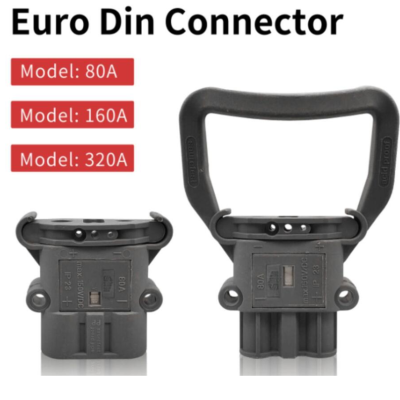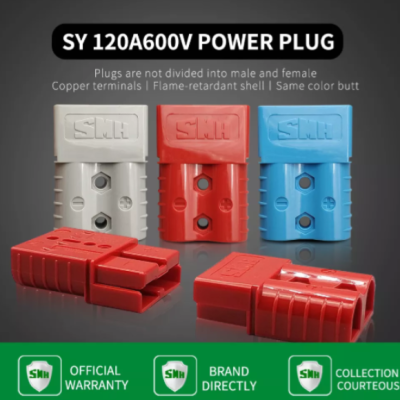
Battery plugs are essential components in many electrical and electronic systems, serving as the interface between a power source and a device. Choosing the right battery plug is crucial for safety, efficiency, and long-term performance. Here are the main considerations clients should keep in mind when selecting a battery plug:
Voltage and Current Ratings
The battery plug must be compatible with the voltage and current requirements of the device it powers. Using a plug with insufficient current rating can lead to overheating, potential damage, or even fire hazards. Conversely, over-specifying may increase costs unnecessarily. Clients should always check the manufacturer’s specifications and select a plug that safely accommodates the maximum operating current.
Plug Type and Compatibility
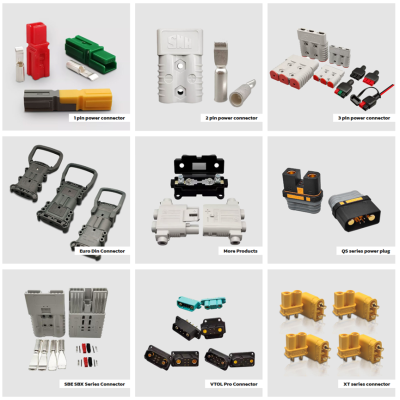
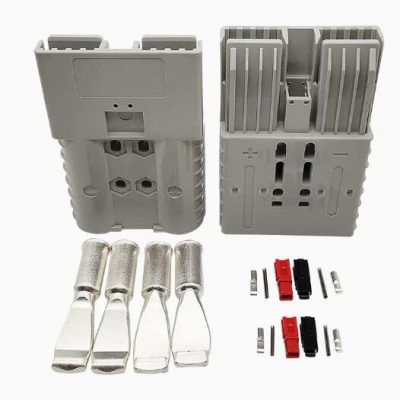
There are numerous types of battery plugs, compatibility with the device’s socket is essential. Clients should consider the industry standards or the specific plug type required by their devices to ensure a secure and reliable connection.
Polarity and Safety Features
Correct polarity is critical to prevent damage to the device or battery. Many plugs are designed with features that prevent reverse connection, such as keyed or color-coded connectors. Clients should prioritize plugs with built-in safety measures, especially in high-power applications, to reduce the risk of accidents.
Environmental and Durability Factors
Battery plugs are often exposed to various environmental conditions, including moisture, dust, vibration, and temperature extremes. Selecting a plug with appropriate sealing, insulation, and mechanical strength ensures longevity and consistent performance. IP-rated or ruggedized plugs are ideal for outdoor or industrial applications.
Ease of Use and Maintenance
Ease of connection and disconnection can be an important factor, particularly in applications requiring frequent battery swaps. Plugs with ergonomic design, locking mechanisms, or tool-free connections improve user experience and reduce wear on both the plug and socket.
Material and Conductivity
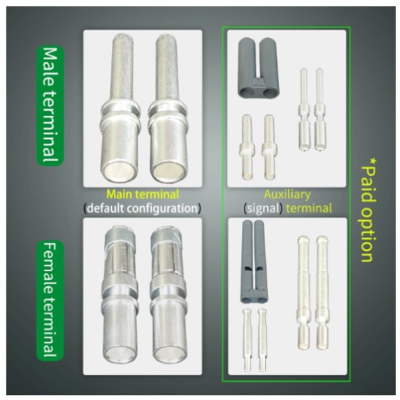
The materials used in battery plugs affect conductivity, resistance, and corrosion resistance. High-quality metals like copper or gold-plated contacts provide better conductivity and reduce energy loss. Clients should also consider insulation materials that are resistant to heat and chemical exposure.
Cost and Availability
While performance and safety are paramount, budget and availability are practical considerations. Clients should balance quality with cost-effectiveness and ensure that replacement plugs are readily available for maintenance or expansion.
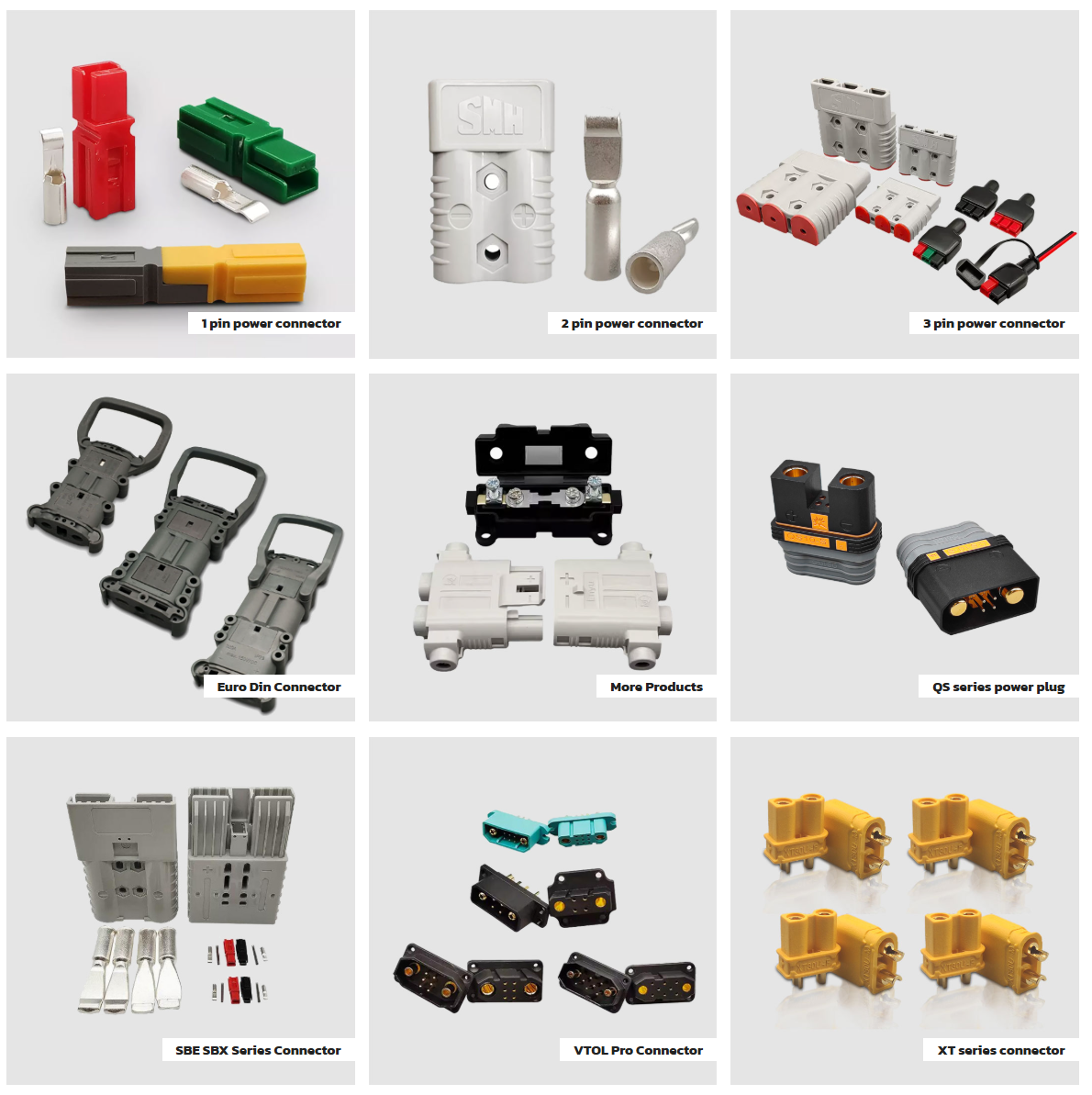
Totally, choosing the right battery plug requires careful evaluation of electrical, mechanical, and environmental factors. Clients should prioritize safety, compatibility, and durability while considering practical aspects such as ease of use and cost. By selecting the appropriate battery plug, users can ensure reliable power delivery, reduce maintenance issues, and enhance overall system performance.
SMH(SenMaiHan) is an OEM & ODM battery connector and plug manufacturer since 2012, our connectors have been exported to 100+ countries worldwide, gaining positive feedback from all clients. If you have any battery connectors inquiry, please contact us.