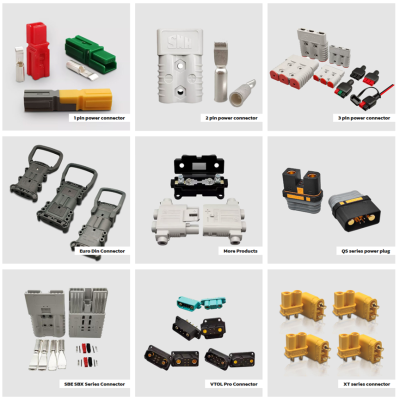
A heavy-duty connector is an industrial electrical connector designed to carry high power, high current, or many signals in harsh environments where ordinary plugs would fail. They are commonly used in factories, machinery, transportation, robotics, construction equipment, and outdoor systems.
Typical features include:
- Rugged metal or reinforced plastic housings
- Resistance to dust, water, oil, vibration, and impact
- Secure locking mechanisms
- Modular inserts for power, signal, data, or pneumatic connections
- High current and voltage ratings
- Easy connect/disconnect for industrial equipment
One of the most recognized styles is the rectangular industrial connector often associated with brands like Han-style connectors.
Common applications:
- Industrial automation
- CNC machines
- Robotics
- Railway systems
- Renewable energy systems
- Stage lighting and event equipment
- Heavy machinery
A heavy-duty connector usually consists of:
- Housing (protective shell)
- Insert/contact carrier
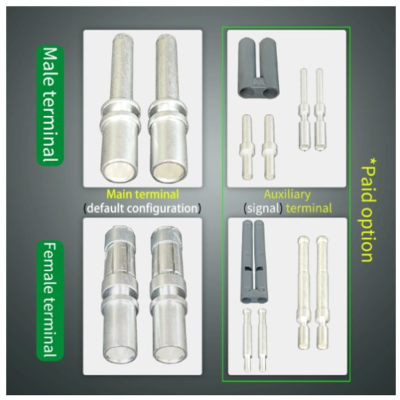
- Electrical contacts/pins
- Cable gland or strain relief
- Locking mechanism
The exact meaning can vary by industry:
- In industrial automation, it often means rugged multipole rectangular connectors.
- In automotive/heavy equipment, it may refer to sealed high-current connectors.
- In military/aerospace, it refers to environmentally sealed circular connectors.
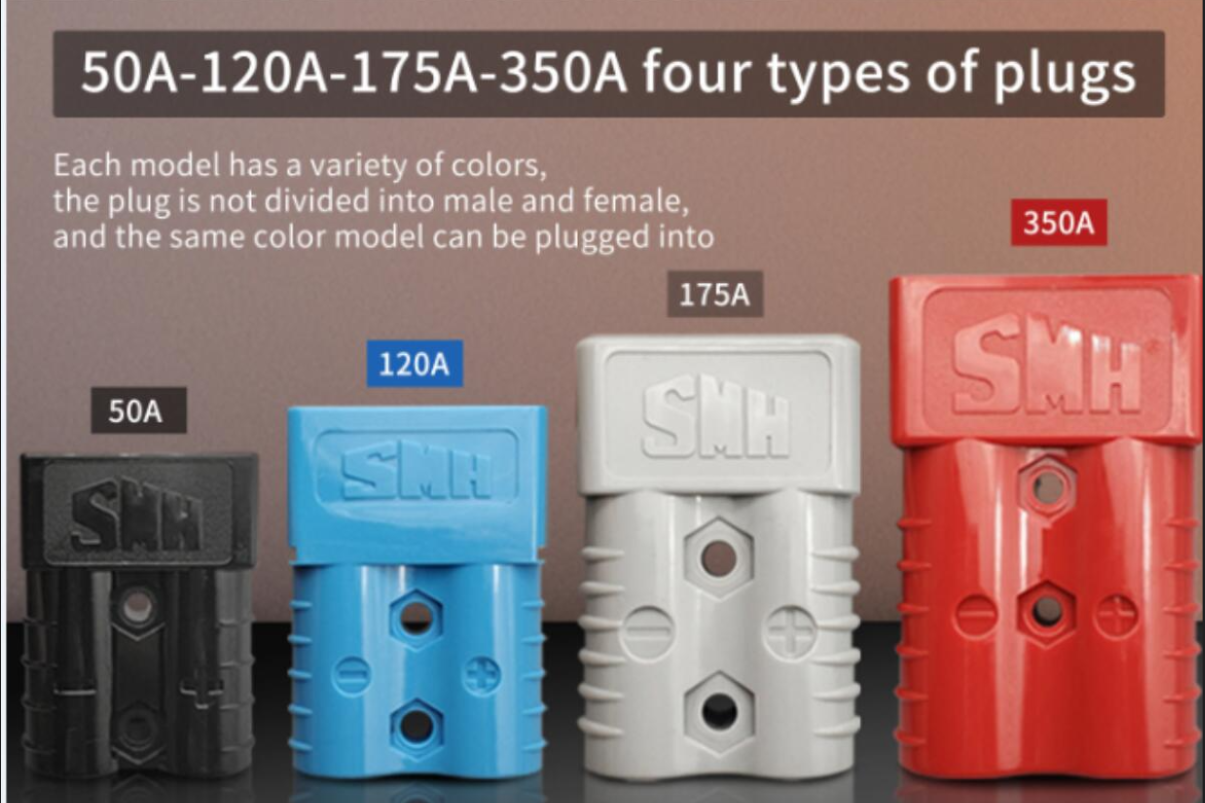
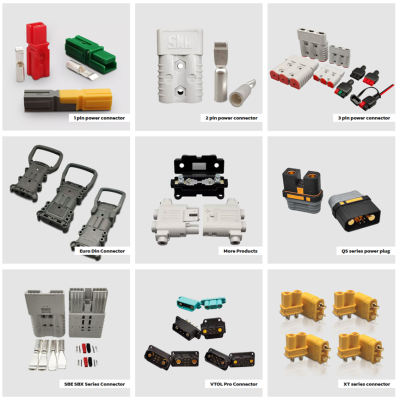
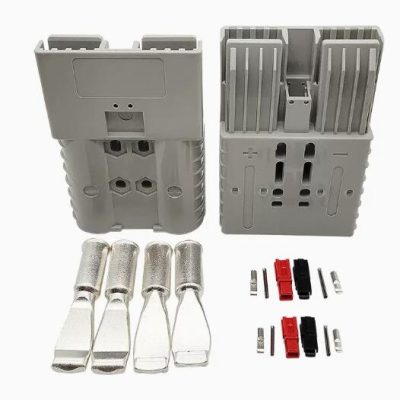
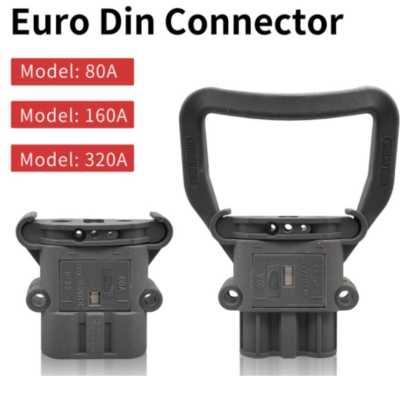
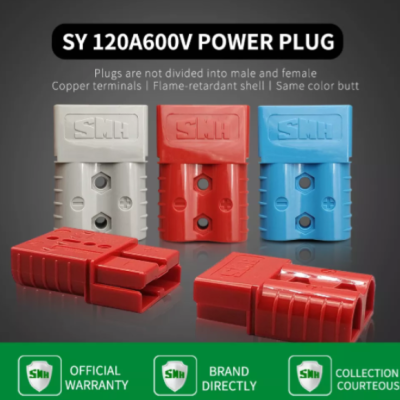
Here are some examples for SMH heavy duty connectors:
- SMH powerpole connector
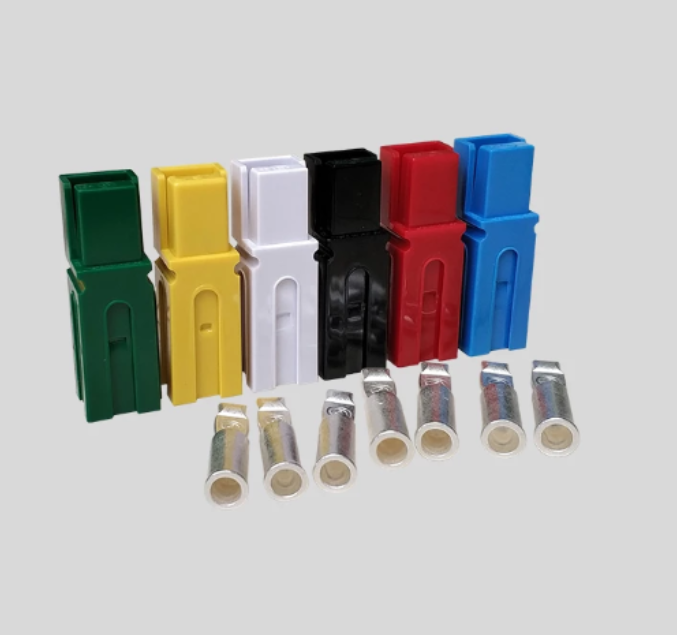
- SMH bipolar connector